
Weatherization in Argentina
Field Research & Interactive Learning Tools for Energy Poverty Solutions
Team Members - Amy Rogin (MIT, DUSP), Arjun Kang (MIT/Imperial College London), Madeline Loui Anderson (MIT, PhD), Spurty Kamath (Harvard GSD)
This project was developed as part of EC.712/EC.782/2.652 D-Lab Energy II: Applications of Energy in Global Development, a hands-on and project-based course where student teams collaborate with D-Lab partners to develop energy technologies addressing the needs of low-resource communities. Working with partners Weatherizers Without Borders (WWB) and FOVISEE in Argentina, the team focused on creating an interactive teaching tool to address energy poverty in informal settlements in Patagonia.
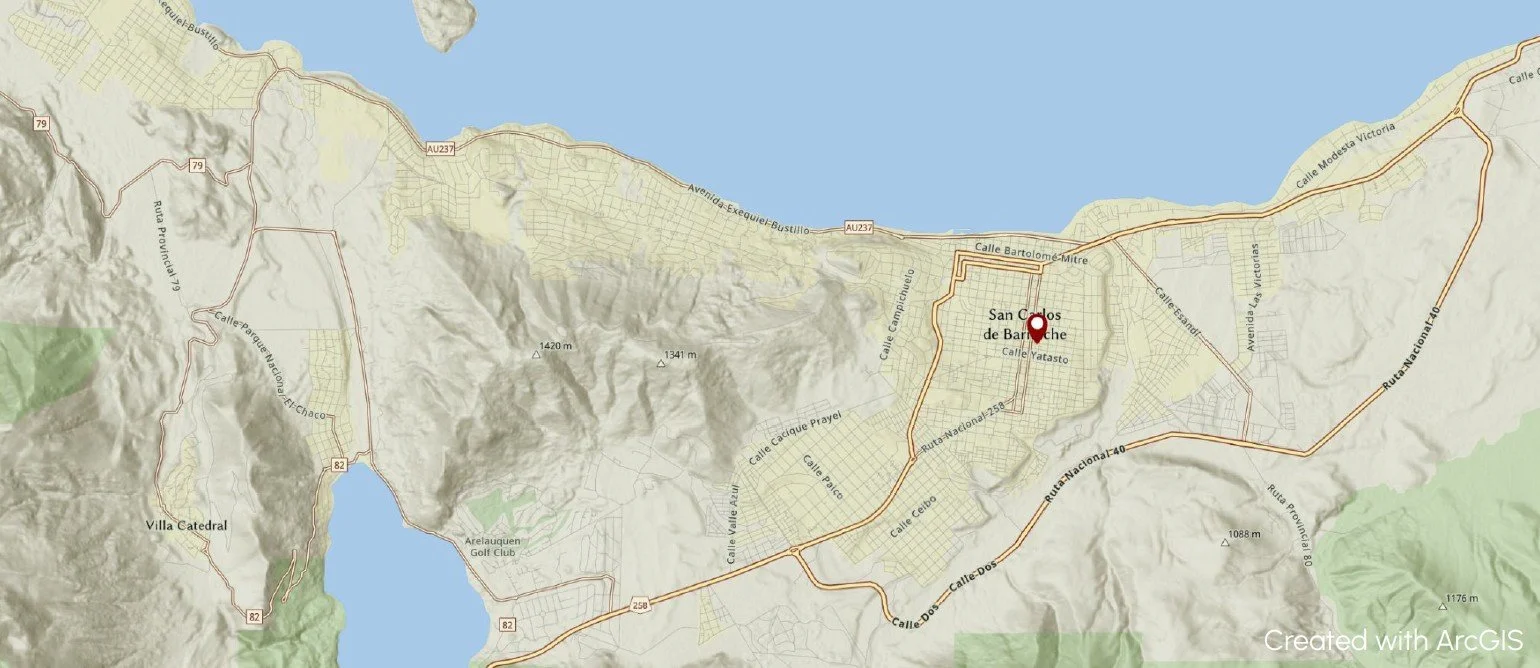
San Carlos de Bariloche is situated in the Patagonian region of Argentina, in the foothills of the Andes Mountains on the southern shore of Nahuel Huapi Lake. The city lies at approximately 770 meters above sea level within Nahuel Huapi National Park, serving as the gateway to Argentina's Lake District. This region features distinctive alpine landforms characterized by mountains, glacial lakes, and Andean-Patagonian forests. Bariloche experiences a cool temperate climate with pronounced alpine characteristics, including significant diurnal temperature variations.
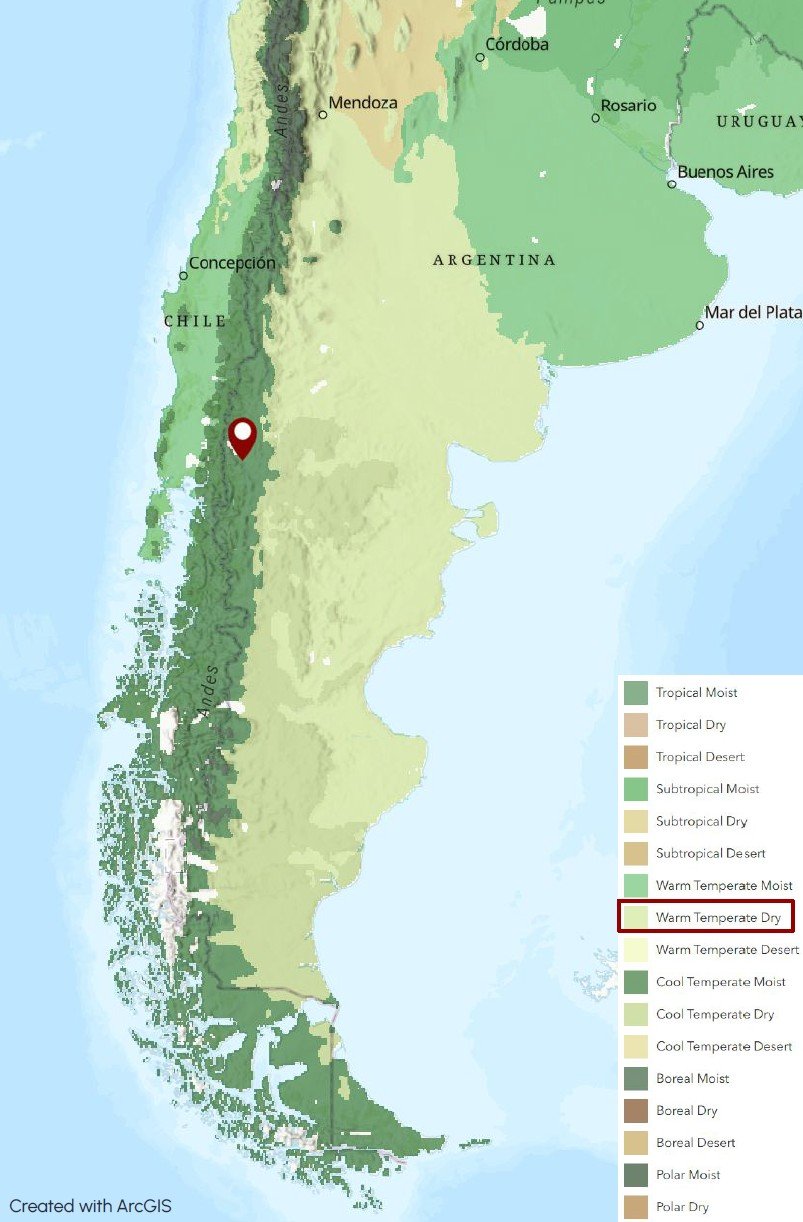
Bariloche experiences a cool temperate climate with pronounced alpine characteristics, where the average annual temperature is 8.4°C (47°F) and winter lows frequently drop to or below freezing. High humidity levels averaging 70-78%, combined with annual precipitation of 800-1,000 mm concentrated primarily during the colder autumn and winter months, create an unforgiving environment for inadequate housing. These harsh climatic conditions effectively turn the lack of infrastructure in informal settlements into a crisis of survival. With approximately 14-22% of the population living in deficient housing and over 70% of these homes lacking complete thermal insulation, the structural inability to retain heat forces families into energy poverty.
The direct impact of this thermal inefficiency is severe: 78% of households lack modern energy services, and more than 25% are compelled to allocate over 80% of their income solely to heating costs. In this context, weatherization is not simply a matter of efficiency but a critical habitability requirement. While passive strategies can manage indoor comfort from September through May, the harsh winters demand active heating systems that are currently unaffordable for the 59% of households classified as poor. Research indicates that proper weatherization interventions can reduce residential energy consumption by at least 40%, transforming these shelters from financial burdens into habitable sanctuaries capable of withstanding the Patagonian winter.
Bariloche Bioclimatic Chart
Interactive Features: Hover over data points • Filter by season • Click legend items
Key Finding: Weatherization can reduce energy consumption by 40% minimum
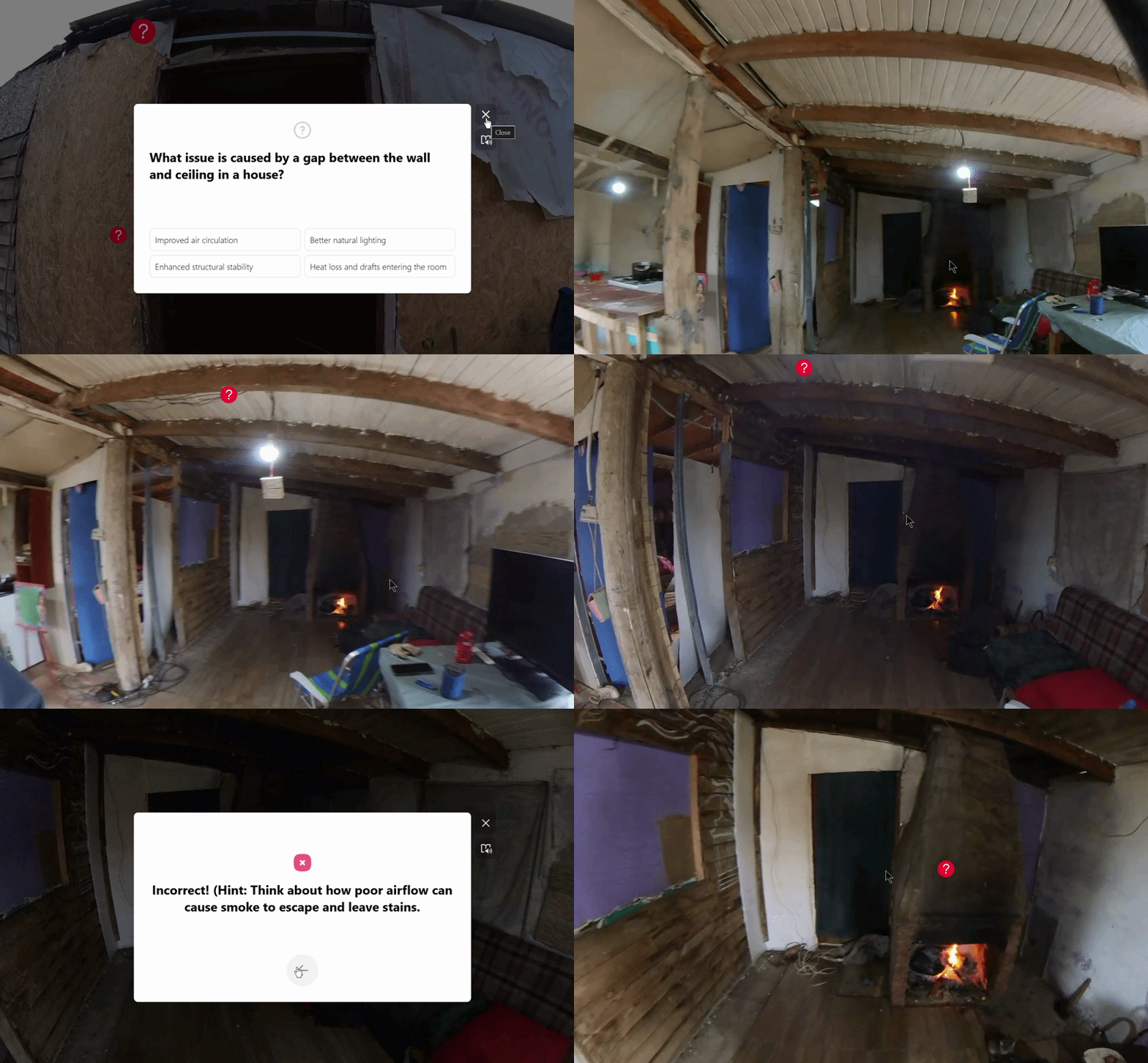
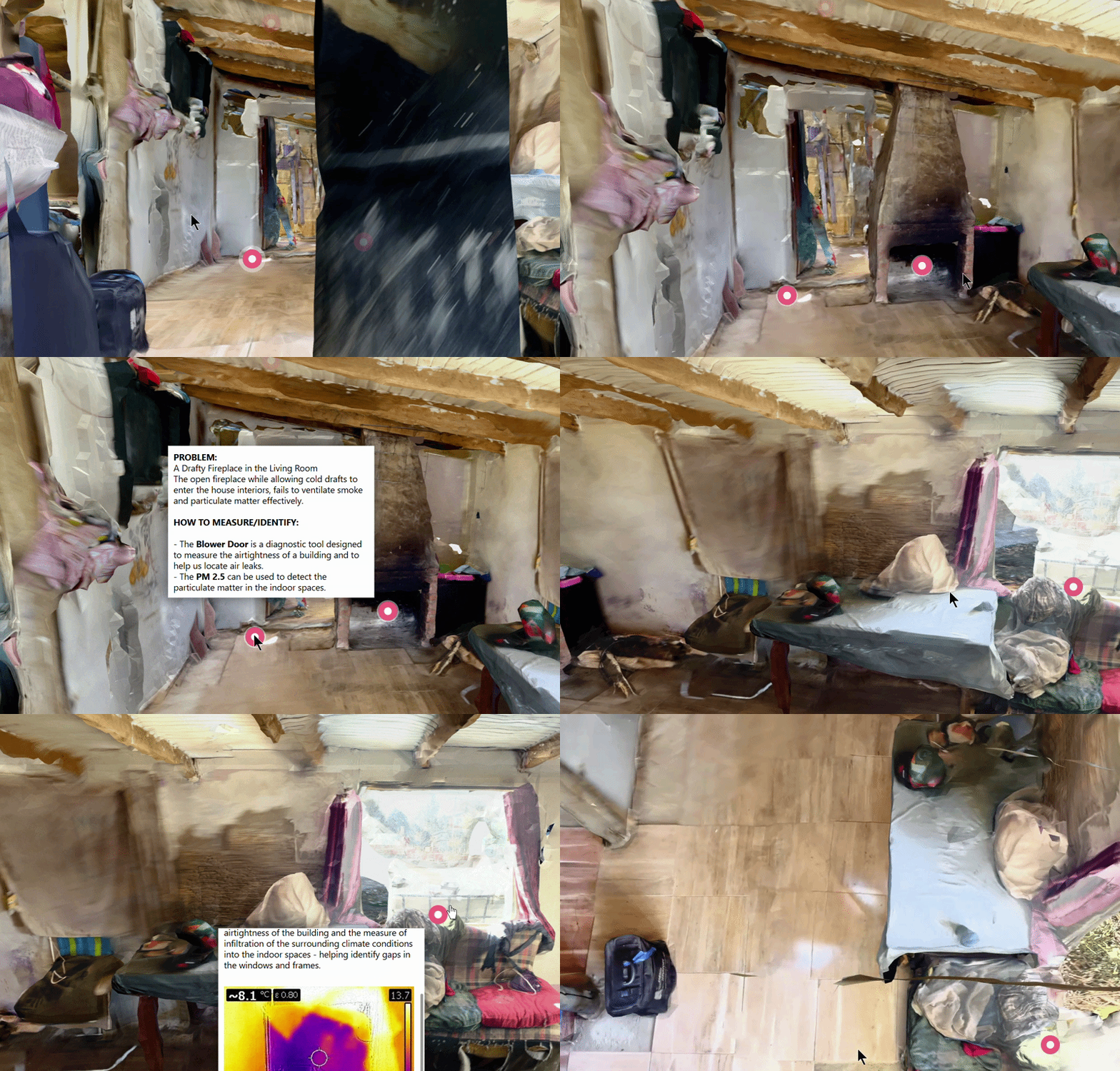
The project was developed in partnership with two Argentine organizations: Weatherizers Without Borders (WWB), dedicated to fighting energy inefficiency and energy poverty across South America, and FOVISEE, a nonprofit foundation focused on improving fair housing and associated rights including health, safety, quality of life, economic inclusion, and environmental care. Both organizations are led by Nicolas Maggio, President and CEO. The project addresses a critical gap where decision makers in Argentina lack adequate awareness of energy poverty severity in informal settlements and the capabilities of building science. An interactive virtual reality teaching tool was developed using ThingLink to demonstrate, educate, and motivate building science students and policymakers. The tool features an immersive 360-degree virtual experience of an actual home in Bariloche, integrated with interactive overlays that guide users through building energy audits, introduce diagnostic tools including thermal cameras, humidity meters, and PM2.5 sensors, and present weatherization retrofit solutions. The experience can be accessed through VR headsets or standard devices, making it scalable for educational contexts.
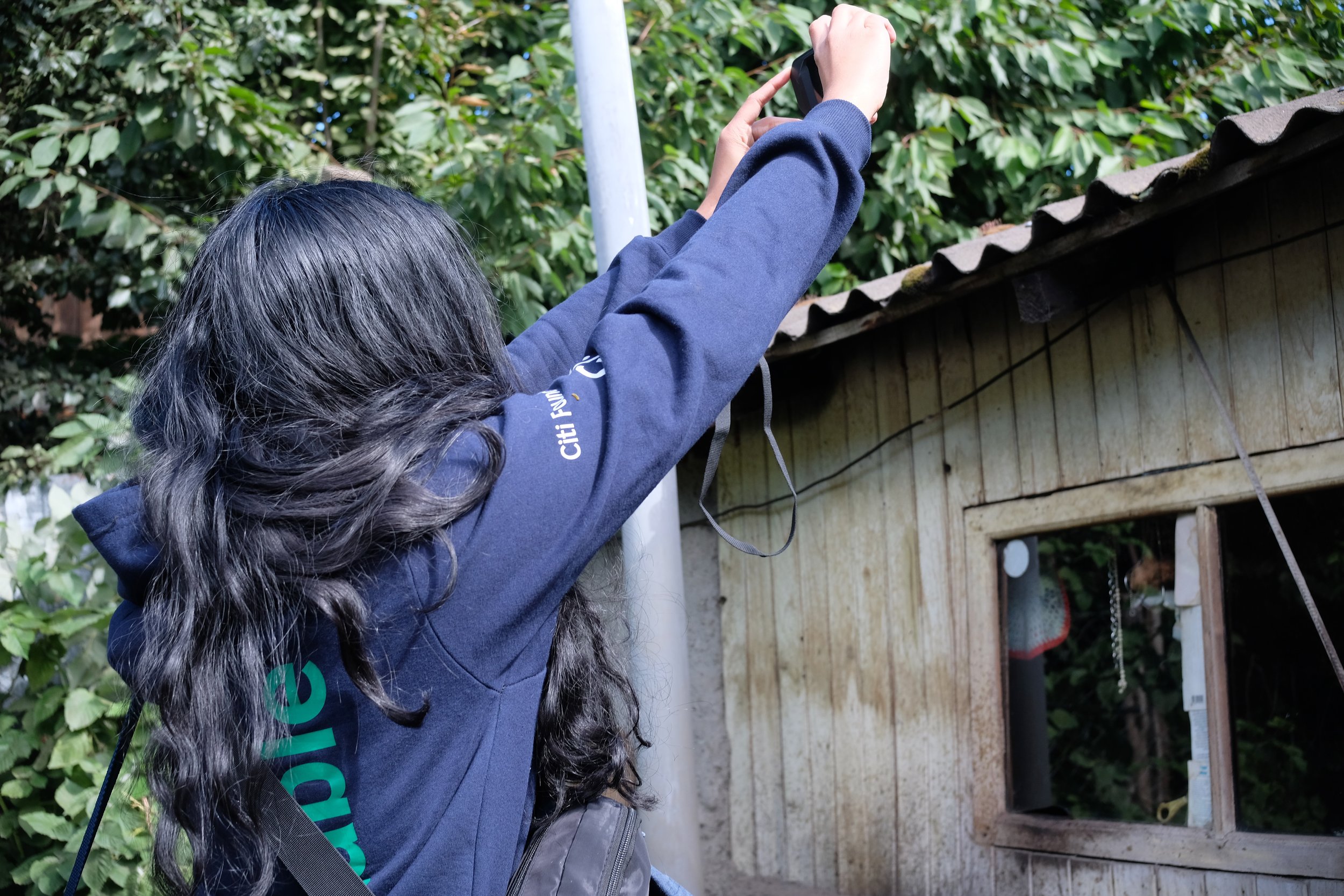
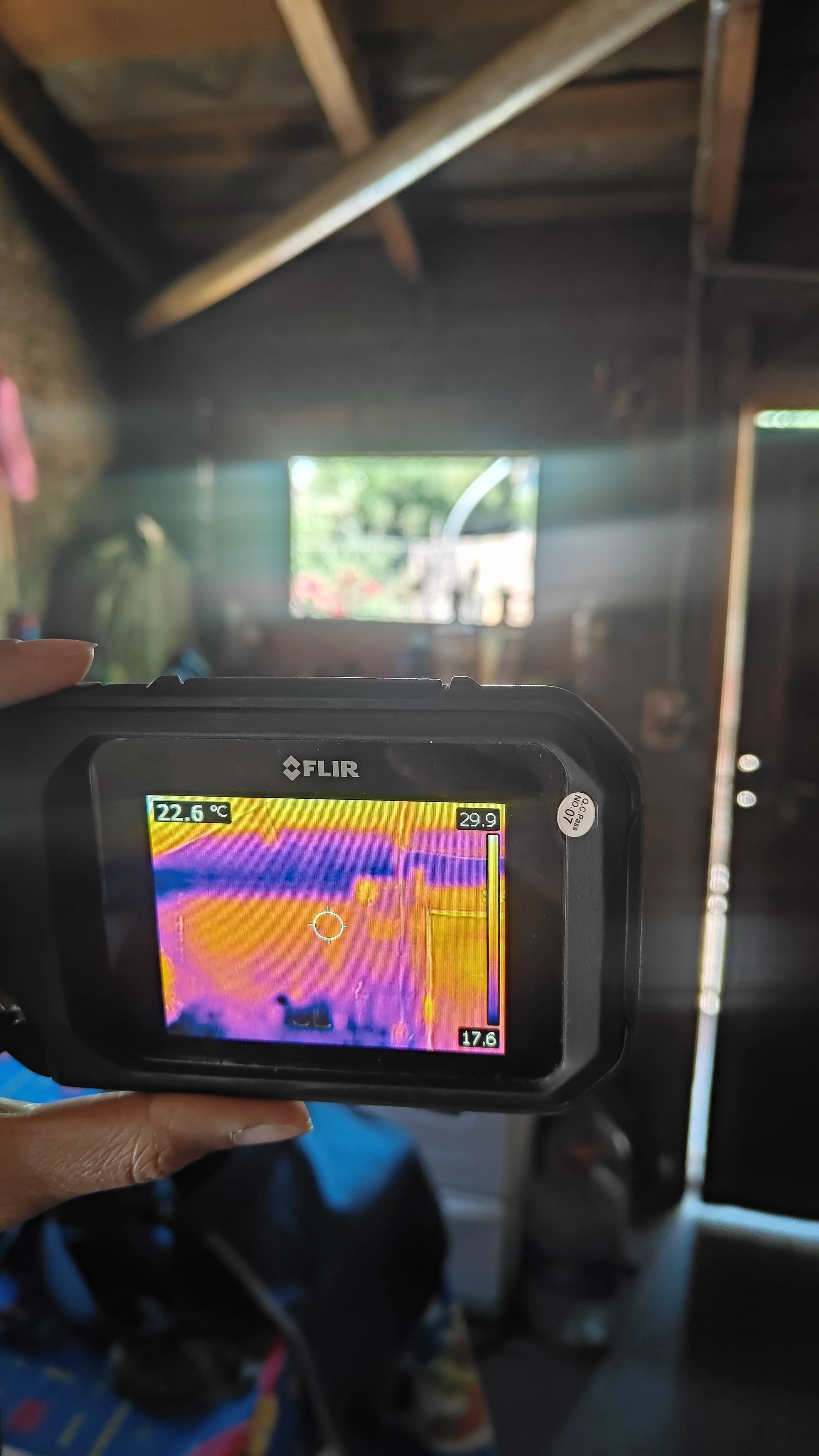
Using thermal imaging cameras and blower door tests, the team performed comprehensive technical analysis to identify heat loss patterns, air infiltration points, and insulation deficiencies throughout both sections of the home. These technical assessments were complemented by detailed conversations with the residents about their daily experiences, heating costs, and specific discomfort during winter months. Following the audit, the team collaborated to draft a weatherization intervention plan tailored to the couple's needs and budget constraints.
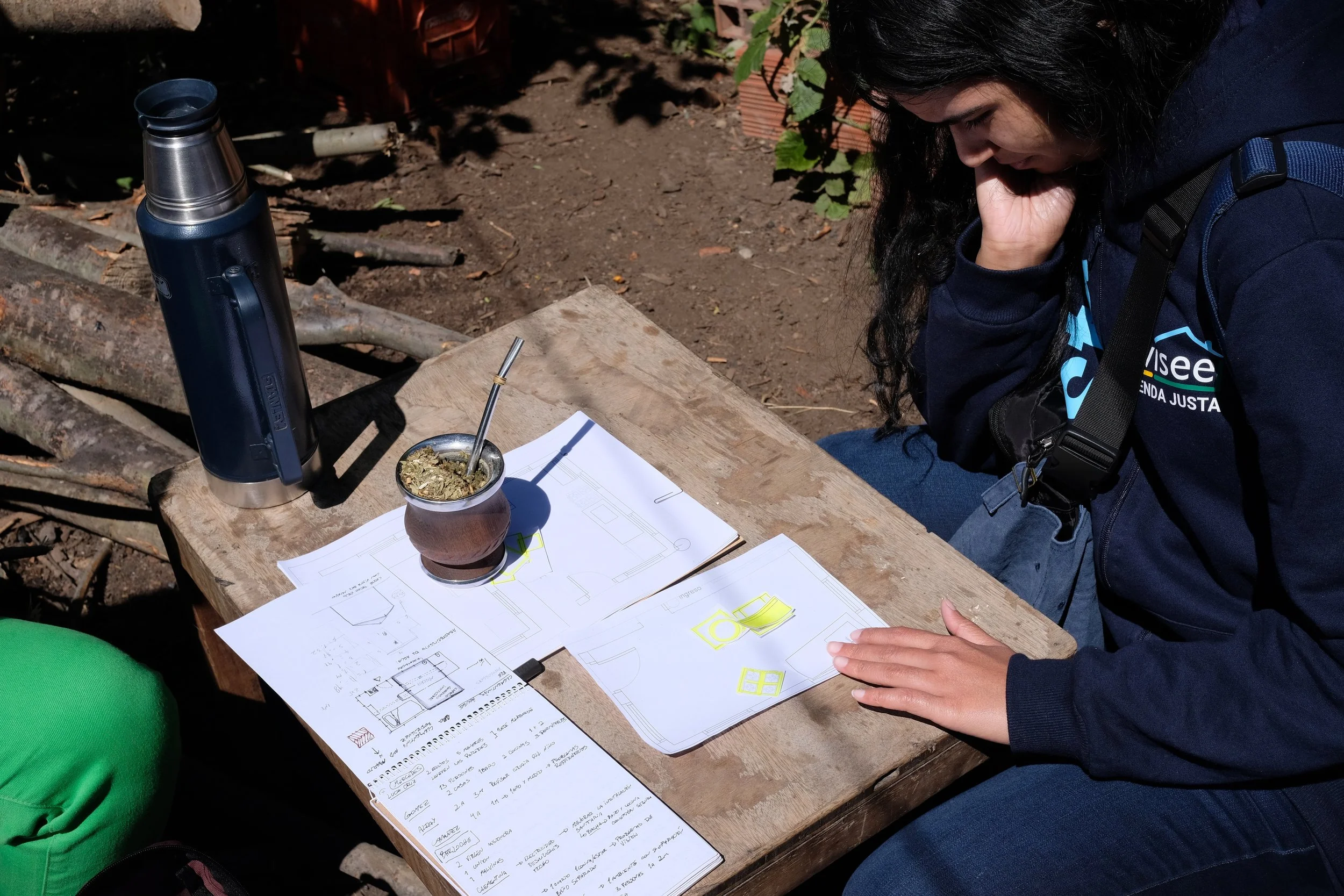
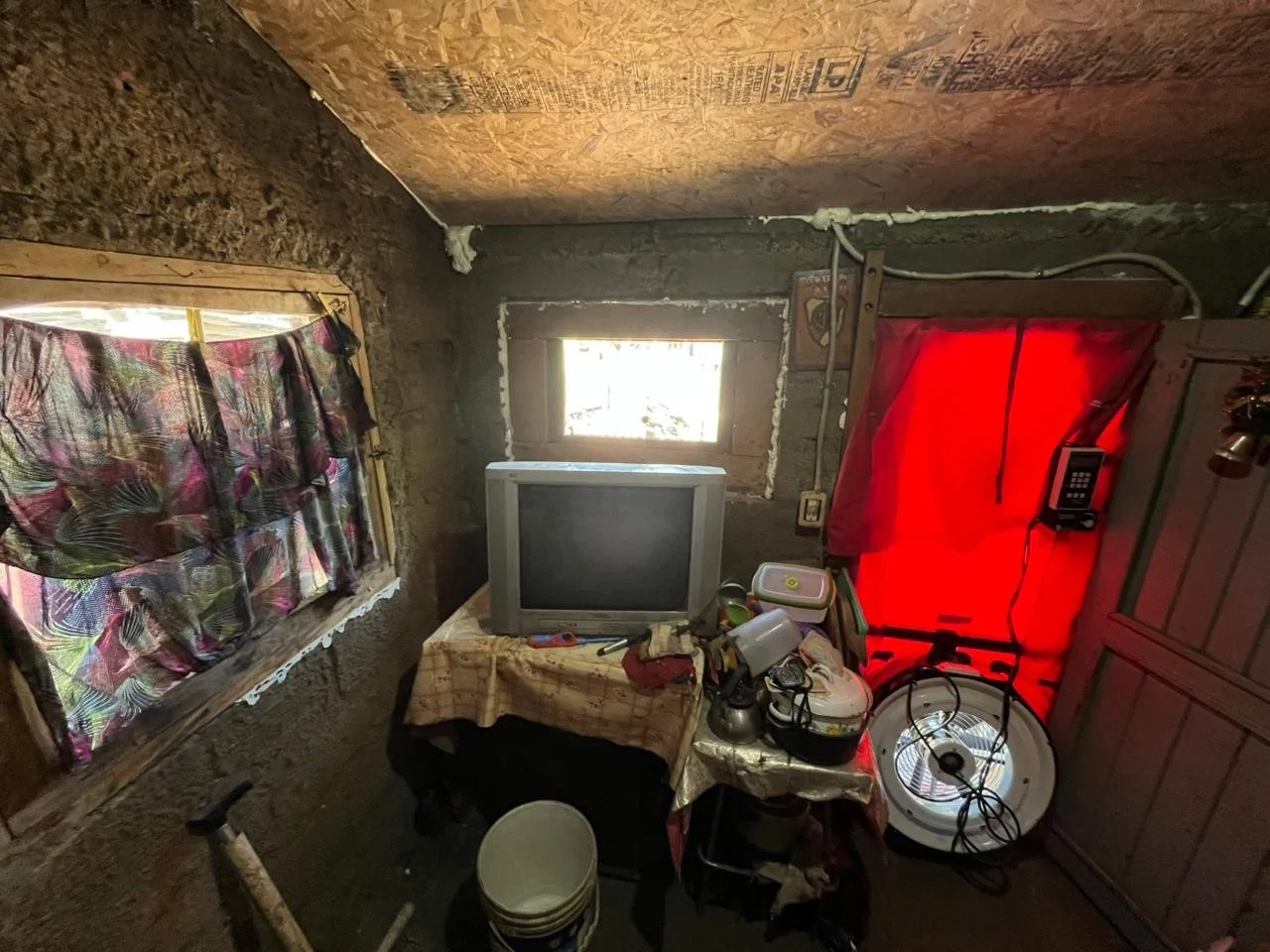
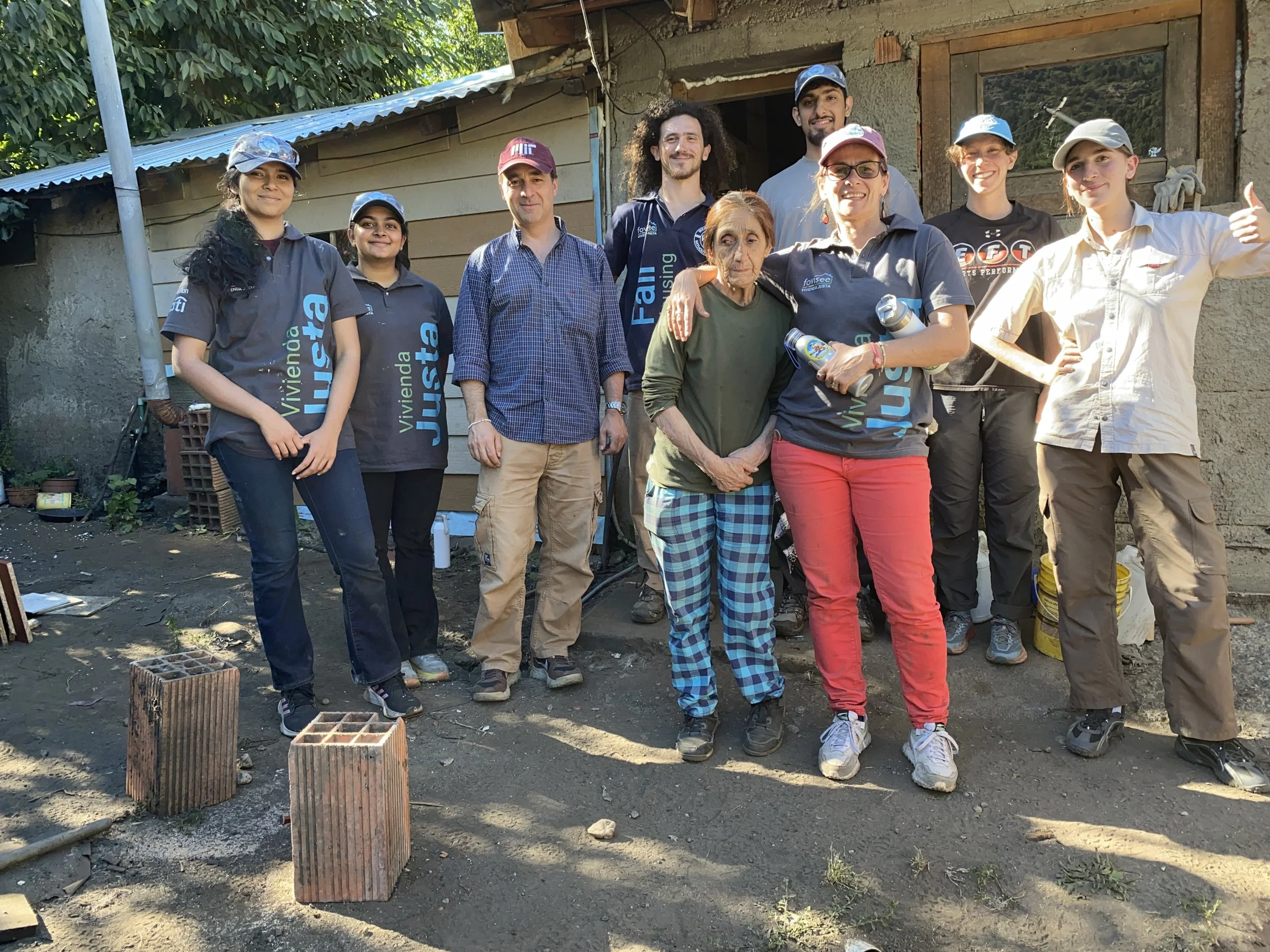
During January 2026, the team traveled to Argentina for a three-week field research trip with partner Nicolas Maggio. The primary focus of the trip was gaining hands-on experience conducting building energy audits in informal settlements around Bariloche, working directly with residents to understand their living conditions and thermal comfort challenges. The team conducted an in-depth audit of a house occupied by an elderly couple, which proved particularly instructive. The property consisted of two distinct sections: an older structure in such poor condition that the residents had been forced to construct a newer addition, though this second structure also lacked thermal efficiency.
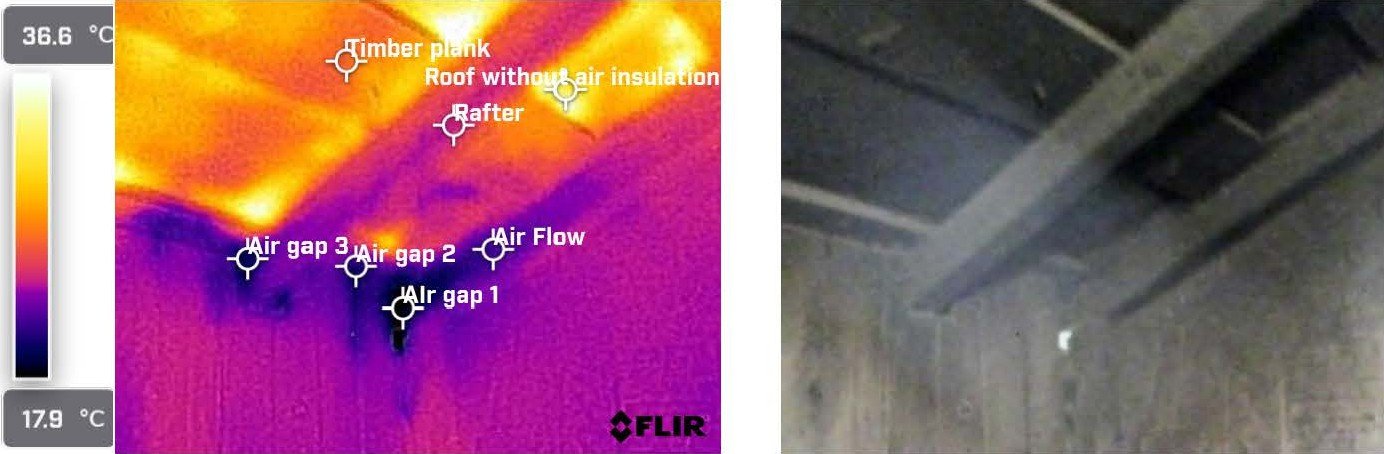
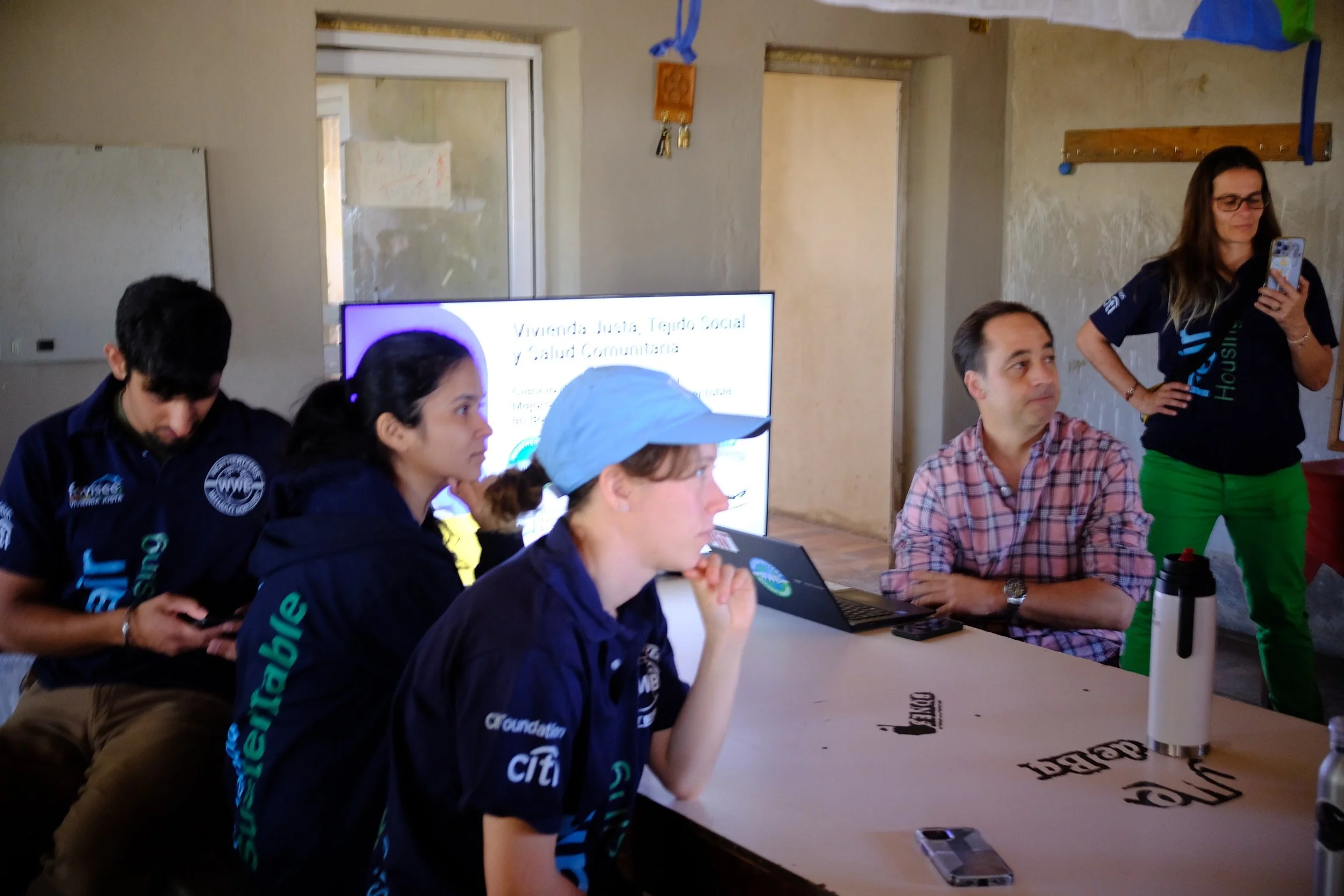
The recommendations included rebuilding the roof with proper insulation and waterproofing, sealing all identified air gaps throughout the structure, and most importantly, adding windows on the north facade to maximize passive solar heat gain and natural light during the harsh winter months—a critical passive heating strategy for the Southern Hemisphere orientation.
Beyond the individual home audits, the trip objectives included presenting the VR teaching experience to building science students and policymakers, refining the tool based on local feedback, and improving building scanning protocols using both Scaniverse LiDAR scanning and Meta Quest Hyperscape capture technology to develop best practices for creating high-quality 3D scans of informal housing for integration into virtual learning environments.
This version emphasizes the fieldwork, gives specific details about the elderly couple's home, and highlights the combination of technical analysis and human-centered design approach that informed your weatherization recommendations.